WISE WOMAN WAYS
The Wheel of the Year
Honoring Nature's Sacred Circle
Rooted in old Celtic and European seasonal traditions, the Wheel of the Year honors the natural cycles of life, death, and rebirth. It marks eight turning points across the year: the four ancient fire festivals and the solstices and equinoxes that fall between them.
Each festival is a doorway. Together they form a circle that mirrors our own lives, moving through seasons of beginning, blossoming, harvest, and rest, again and again.
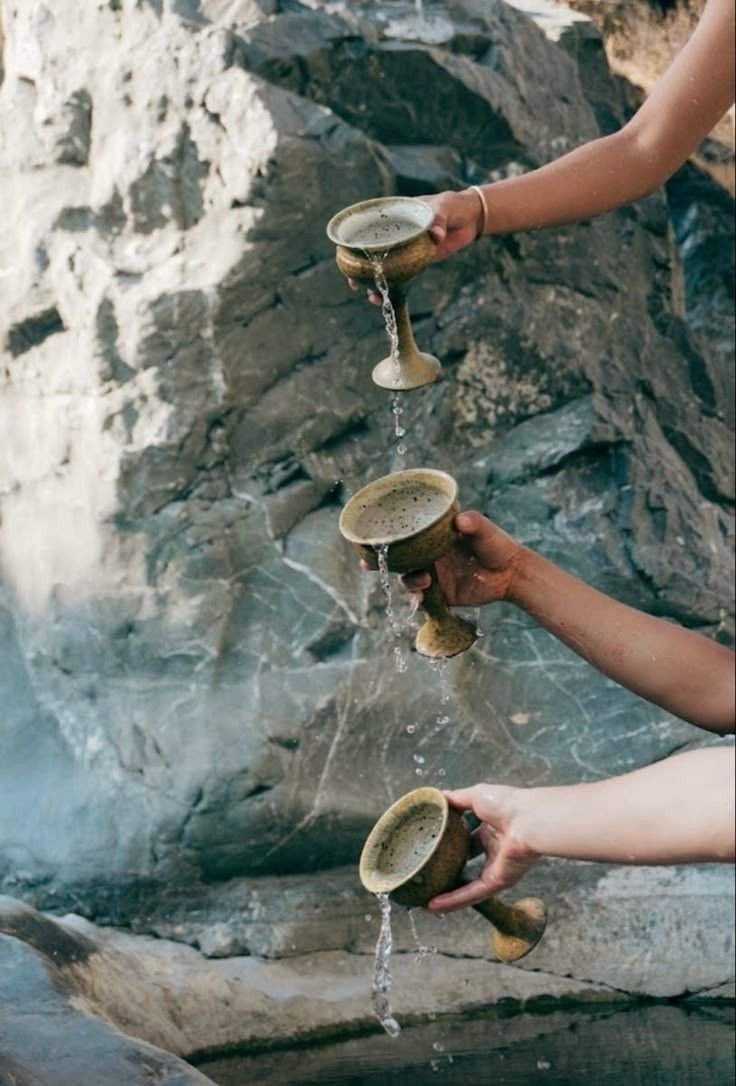
Women and the Turning Year
Women have always lived close to cycles. Like the moon and the earth, we wax and wane, create and release, rest and rise again. The Wheel of the Year honors this rhythm and gives us permission to live by it, rather than pushing through every season the same way.
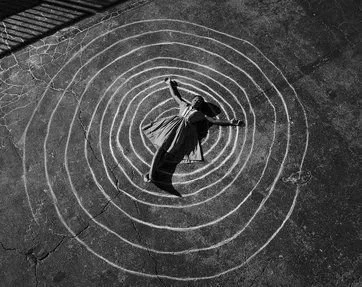
The Eight Festivals
-
Calan Gaeaf in Welsh
The Celtic new year, when the last of the harvest was gathered in and the herds brought home for winter. Our ancestors held this night as a time outside of time, belonging to neither the old year nor the new, when the veil between the worlds grew thin. It was a night for honoring the dead, reading signs for the year ahead, settling accounts, and telling the old stories. A time to turn inward and reflect on what has ended.Honoring the ancestors: Light a candle at dusk and speak the names of those who came before you. Set a place at the table, or leave a small offering of food or drink.
-
The longest night and the Winter Solstice. In the deepest dark, the light begins its return. A time for stillness, rest, and quiet hope.
Honoring the ancestors: Gather around a candle or fire and tell family stories. Share a recipe, song, or tradition handed down to you. -
Gwyl Mair in Welsh
The first stirring of life beneath the frozen ground, as the ewes began to give milk and the promise of spring returned. In the deep of winter, households checked their stores, mended their tools and boats, and looked ahead to the work of the coming season. A time of cleansing, kindling inner light, and making space for what wants to be born.
Honoring the ancestors: Tend a small flame and honor the healers, caregivers, and wise women in your lineage, known and unknown. -
The Spring Equinox, when day and night stand in balance. A time to plant seeds, literal and otherwise, and welcome renewal.
Honoring the ancestors: As you plant seeds, ask what you want to pass on to those who will come after you. -
Calan Mai in Welsh
The start of summer and the light half of the year. Herds were led out to fresh pasture, often driven between two fires for blessing and protection, and communities gathered for the first time since the long winter. A celebration of fertility, creativity, passion, pleasure, and the joy of being alive in our bodies.
Honoring the ancestors: Celebrate the life force that flowed through every generation to reach you. Dance, sing, or simply give thanks for being alive. -
The Summer Solstice and the sun at its fullest. A time to celebrate our radiance, our strength, and all that is flourishing.
Honoring the ancestors: Name the strengths and gifts your ancestors gave you, and how they shine through you now. -
Lughnasadh in Gaelic, Gwyl Awst in Welsh
The first harvest, named for the god Lugh. Communities came together for great shared meals, games and horse races, and handfastings pledged for a year and a day. A time to give thanks for what we've grown and to honor the give and take that sustains us.
Honoring the ancestors: Give thanks for what your ancestors planted that you now harvest, from skills and stories to resilience and land. -
The Autumn Equinox, balance once more before the dark. A time to gather in, give thanks, and make peace with both our light and our shadow.
Honoring the ancestors: Reflect on what you inherited. Keep what nourishes you, and release what you no longer want to carry forward.
A Note on Timing
The dates above are the ones most commonly celebrated. The solstices and equinoxes follow the sun's exact position and can shift by a day or so each year, and some people choose to mark the fire festivals by their astrological midpoints instead. However you choose to celebrate, what matters most is the intention you bring.
In the Avalonian Tradition, each of the four fire festivals is also honored at a full moon: the first full moon with the Sun in Scorpio for Samhain, in Aquarius for Imbolc, in Taurus for Beltane, and in Leo for Lammas.
The Moon's Rhythm
Alongside the eight festivals, many women also keep time by the moon. Its monthly cycle, from new to full and back to dark, offers smaller turning points for setting intentions, celebrating what has grown, and releasing what is complete. Some traditions call these lunar gatherings Esbats.
You don't need to track every date to walk your own version of this path. Start with one festival or one full moon. Light a candle, step outside, and notice what is changing. The rhythm grows familiar the way any relationship does, one season at a time.
Walk the Wheel With Us
The Wheel keeps turning, and there is always a place to step in. Join us for seasonal gatherings, or simply begin at home by noticing where we are in the year and what this season is asking of you.
Further reading: For those drawn to go deeper into the Avalonian Tradition, Jhenah Telyndru's Avalon Within: Inner Sovereignty and Personal Transformation Through the Avalonian Mysteries (Ninth Wave Press, 2005) is a lovely place to begin.